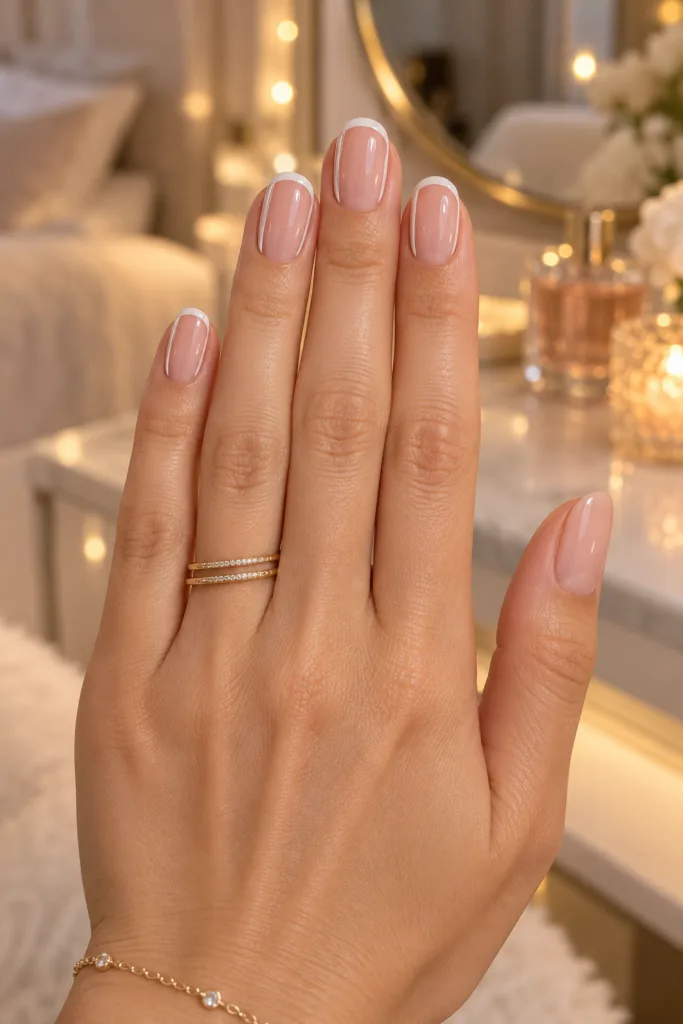
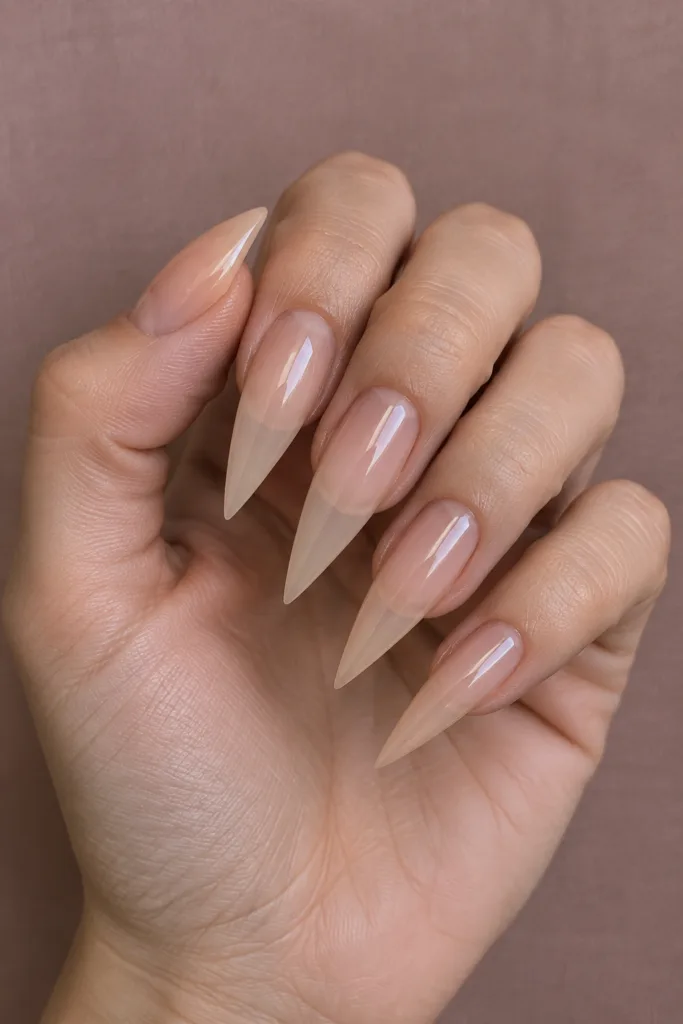
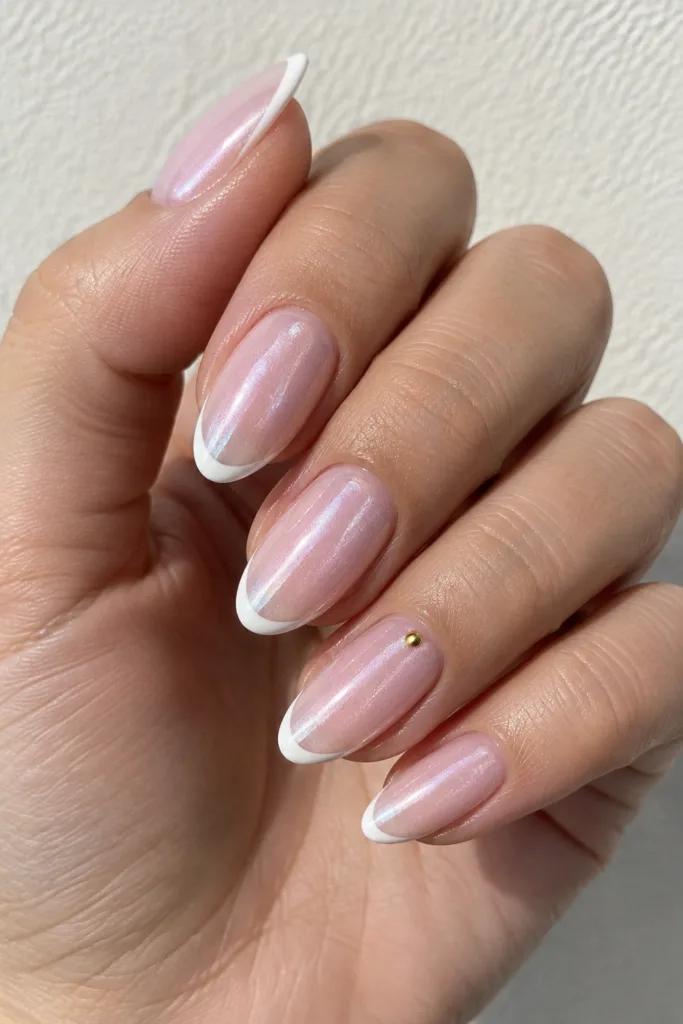
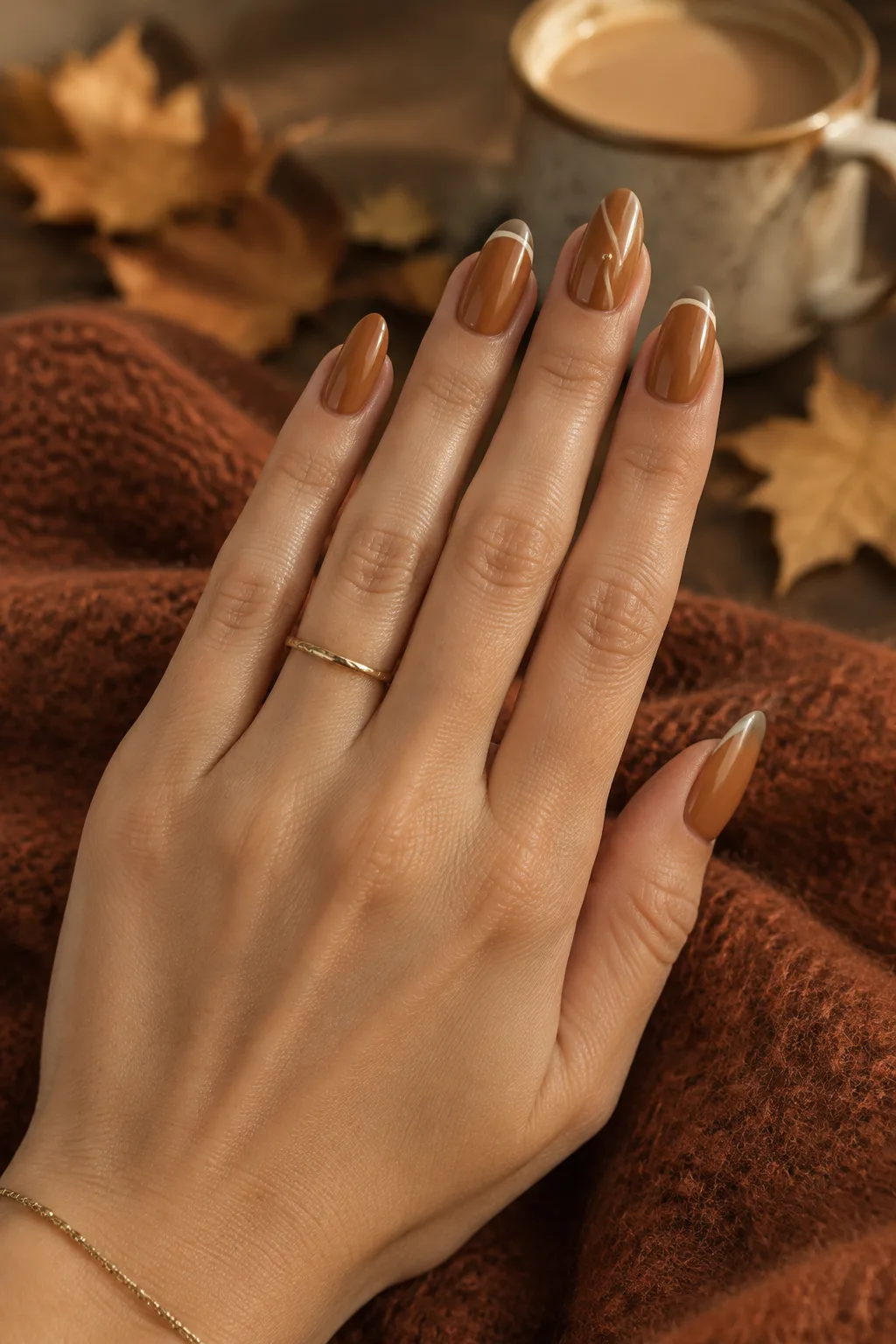
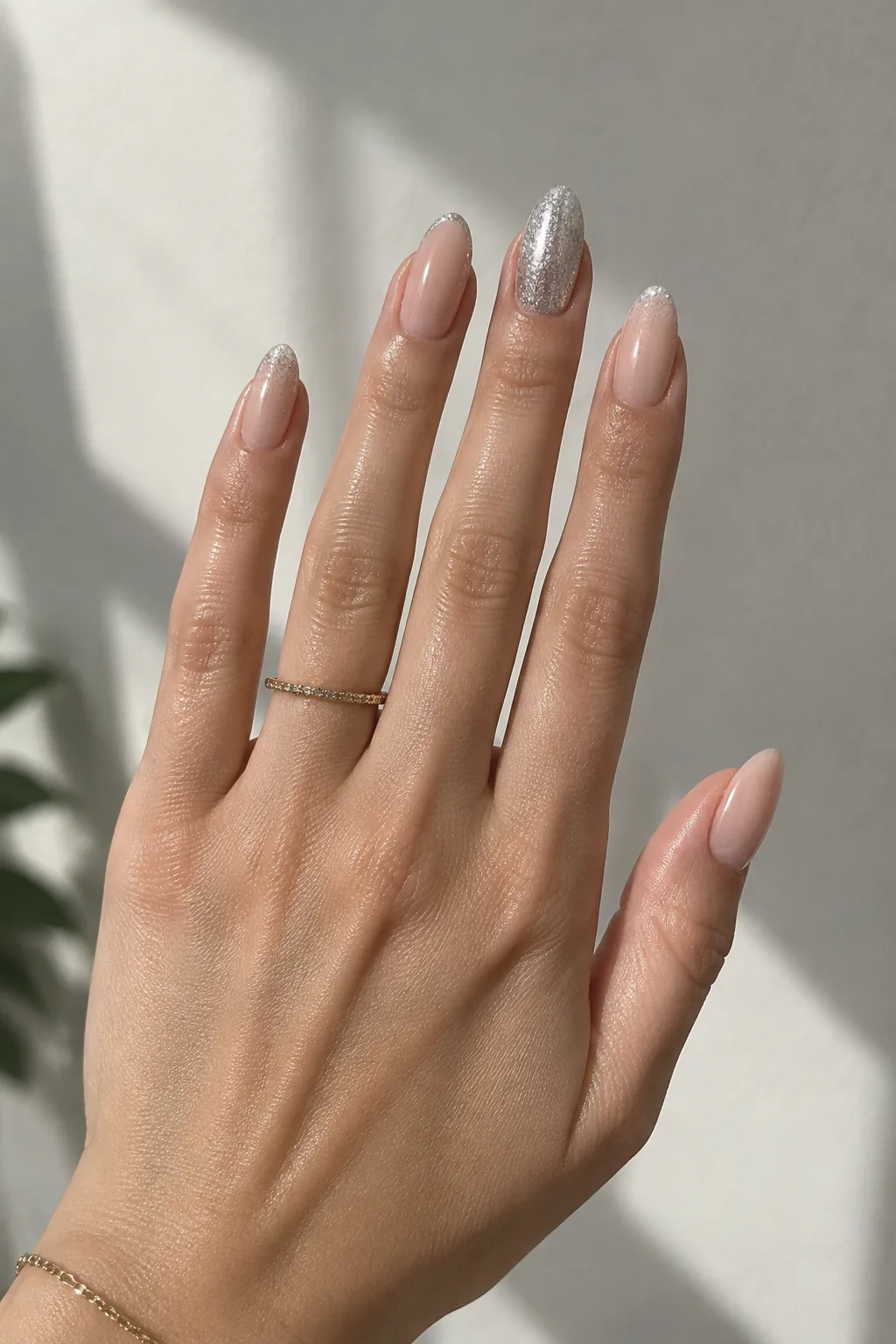
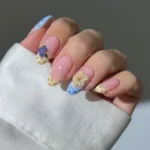
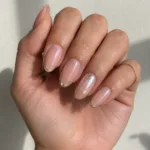
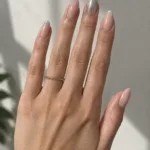
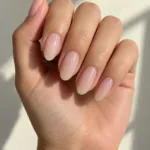
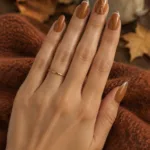
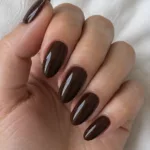
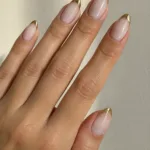
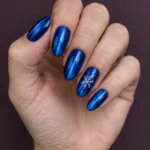
In short: Almond is the best nail shape for wide nail beds because the high sidewall taper starts near the cuticle and pulls the eye into a point. Oval is the softer runner-up and works well on short nails. Avoid straight square and wide ballerina shapes, since flat sidewalls keep the full width of the bed on show.
If your nail beds are wider than they are long, almond is your shape. The taper starts high on the sidewall, so the nail reads narrow even though the bed hasn’t changed. Oval does the same thing in a softer way, and a tapered squoval is the safe short option when you need practical nails that still slim down.
Here’s the side-by-side test, plus what to say at the salon so you get the taper instead of a flat wall.
Try it on See it on your own hand Take a photo of your hand and Nartie puts any design from this page on your own nails, so you can choose before you book.

 NartieTry it on your hand
How to tell if you have wide nail beds
Look at one nail from directly above. Measure the width across the widest part. Then measure the length from cuticle to free edge, just the pink part, not the overhang.
- Width equal to or bigger than length: wide nail bed. Very common on thumbs and index fingers.
- Length clearly bigger than width: narrow bed. You can wear almost any shape.
Check more than one finger. A lot of people have wide thumbs and normal pinkies. If that’s you, shape the thumb with a slightly stronger taper than the rest. Nobody will notice, but the hand will look more even in photos.
Wide beds are not a flaw. They just need shaping that adds a vertical line. Everything below does that in a different way.
The side-by-side test: oval vs almond vs tapered squoval
I shaped the same hand three ways over three appointments. Same polish, same length, so only the shape changed. Here’s what each one did.
1. Almond: the strongest narrowing effect
Almond starts tapering just past the cuticle and ends in a soft rounded point. That long diagonal line is what tricks the eye. On a wide bed, almond is the only shape that visually cuts width right where the nail is widest.
You need around 4 to 6mm of free edge for a real almond. Less than that and you get a stubby oval instead. If your nails are weak, ask for a gel overlay so the sides don’t snap.
Best for: medium to long nails, wide beds on every finger, anyone who wants the slimmest look.
2. Oval: softer, works on shorter nails
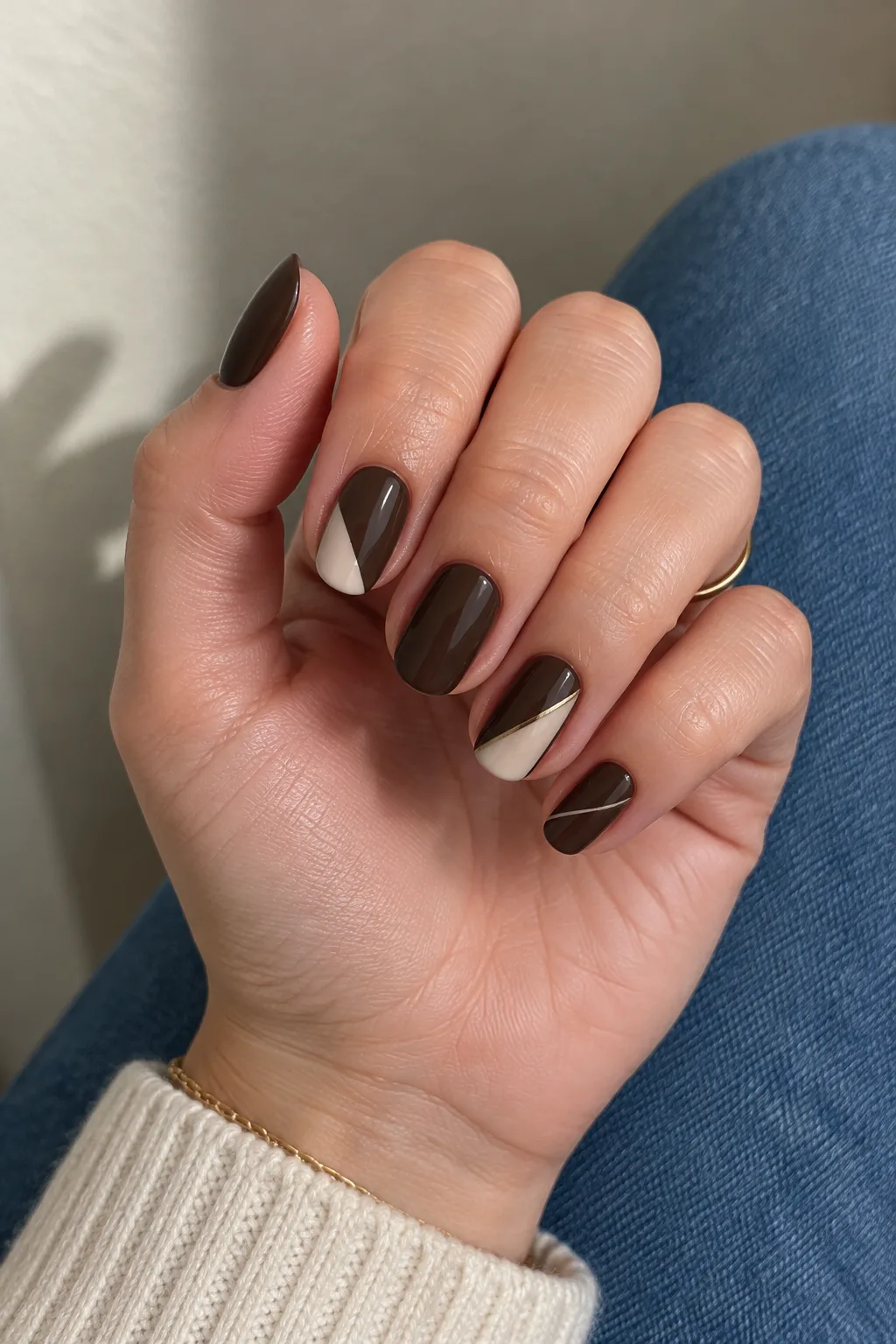
Oval curves out from the sidewall instead of angling in. The taper starts lower, around the middle of the nail, so it narrows less than almond. But it still beats any square shape.
The big advantage: oval works at 2 to 3mm of length. If you type all day or you hate the feel of a point, this is your shape. It also grows out well, so you can stretch to four weeks between fills.
Best for: short nails, office jobs, people who break almond tips.
3. Tapered squoval: the compromise
A standard squoval has straight sidewalls and a flat tip. On a wide bed, that’s the worst option. It frames the full width like a box.
A tapered squoval is different. Your tech files the sidewalls in slightly from the cuticle, then keeps the tip flat with softened corners. You get a strong, practical nail that still slims down.
Best for: very short nails, hands-on work, anyone who wants square without the boxy result.
4. What loses the test
- Straight square: adds width, every time. Skip it.
- Wide ballerina or coffin: the flat tip is too broad for a wide bed unless it’s filed very narrow.
- Round: fine for super short nails, but it does nothing to narrow the look.
- Stiletto: it narrows hard, but the point sits so far out that the wide base can look even wider by contrast. Try almond first.
- Flare or duck tip: the widest shape there is. It’s a fun trend, just not a slimming one.
Why the high sidewall taper matters so much
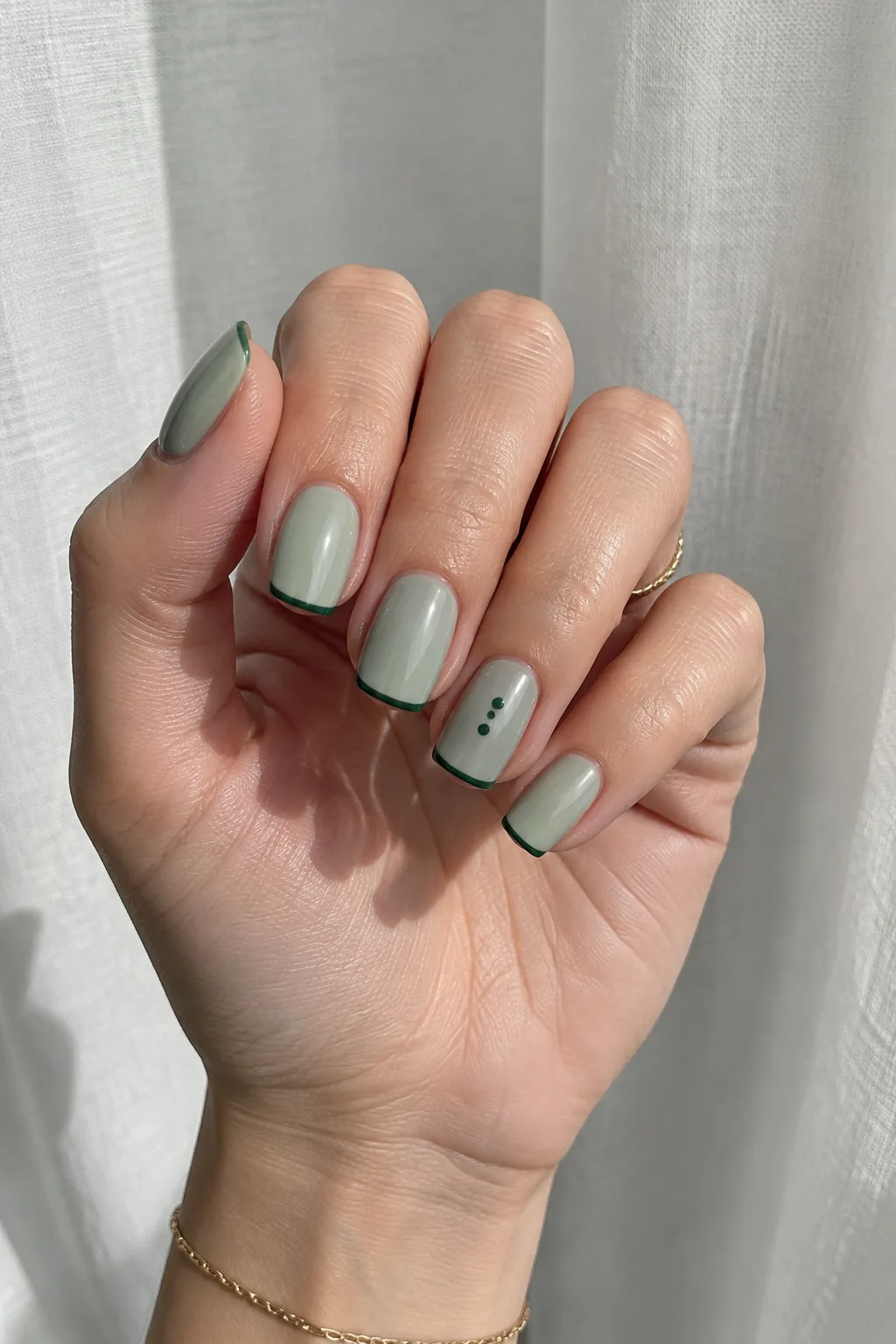
This is the part most people miss. Shape isn’t only about the tip. It’s about where the sidewall starts to turn in.
On a wide bed, if the taper begins near the free edge, the eye still reads the full width at the base. Nothing changes. When the taper begins high, close to the cuticle, two long lines run toward each other down the nail. Your eye follows those lines and the whole finger looks longer and thinner.
Try it on See it on your own hand Take a photo of your hand and Nartie puts any design from this page on your own nails, so you can choose before you book.NartieTry it on your hand
At the salon, say this: “Please file the sidewalls in from the cuticle, not just at the tip.” A good tech will file from underneath the side with the file held at a slight angle. You’ll see the difference after one nail. Ask them to stop and let you compare that finger to the next one.
One caution: the taper should be filed off the free edge and the overhang, not off the skin-attached part of your nail plate. Over-filing the sides thins the nail and can cause splits down the stress point. If it stings or feels hot, it’s too deep.
How to preview each shape before you commit
Filing is permanent until it grows out, so testing matters. Three ways to do it:
- The paper test. Cut small paper shapes and hold them over your nail. Rough, but it shows you the silhouette fast.
- Press-ons. Buy a mixed-shape pack in your size. Wear almond for a day, oval the next. You’ll know within hours which one you actually like on your hand.
- A virtual try-on. Not sure if almond or oval suits your fingers? You can preview both shapes on a photo of your own hand in Nartie before your appointment.
If you’re still torn after testing, go oval first. It’s the shape you can file into almond later once you’ve grown a few extra millimeters. Going the other way means cutting length off.
Color and art choices that make wide nails look narrower
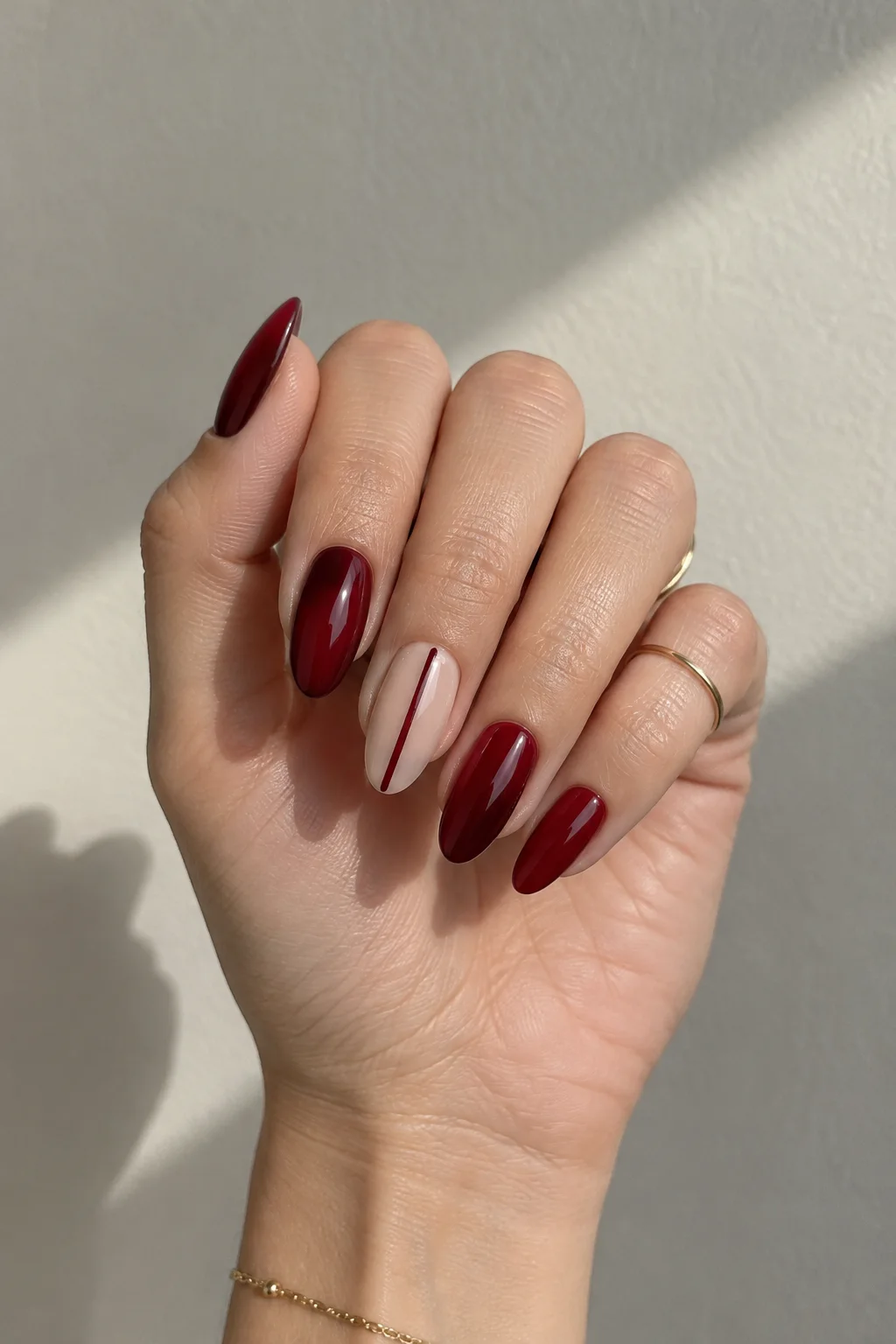
Shape does most of the work. Polish finishes the job.
- Leave a thin bare margin at each sidewall. About half a millimeter of unpainted nail on both sides. The painted strip reads narrower than the nail really is. This one trick is worth more than any color choice.
- Vertical art wins. A thin stripe down the center, a diagonal color block, a half-and-half split. All pull the eye lengthwise.
- Deep solid colors help. Oxblood, espresso, navy and black shrink the surface. Bright white and neon do the opposite.
- Skip horizontal lines. Thick French tips, wide color bands across the nail and chunky glitter tip lines all cut the nail in half crosswise and widen it. A micro French at 1mm is fine, a 4mm tip is not.
- Glossy over matte. Gloss creates a light strip down the center of the nail, which reads vertical. Matte shows the full flat surface.
- Keep art small and off-center. One tiny motif near the cuticle looks better than a design filling the whole plate.
Length, upkeep and what to expect after two weeks
Almond on a wide bed needs length to work, and length needs structure. Ask for a gel overlay or a builder gel apex if your natural nails bend. Without it, the tapered sides are the first thing to crack.
Plan a fill every two to three weeks. As the nail grows, the taper moves out with it and the base starts looking wide again. By day 14 you’ll see a small rounded section at the cuticle that spoils the line. A quick side file at home with a 180-grit file holds the shape between visits. File in one direction only, from the side toward the tip.
Price check: a gel manicure with shaping runs about $35 to $60 in most US salons. Builder gel or a structured overlay adds roughly $10 to $20. Press-ons cost $8 to $25 a set and let you test shapes for almost nothing.
One last tip from my tech: bring a photo. Say “almond, with the taper starting high,” and point at the sidewalls. Saying just “almond” gets you whatever that tech’s default almond looks like, which is often far too round at the base.
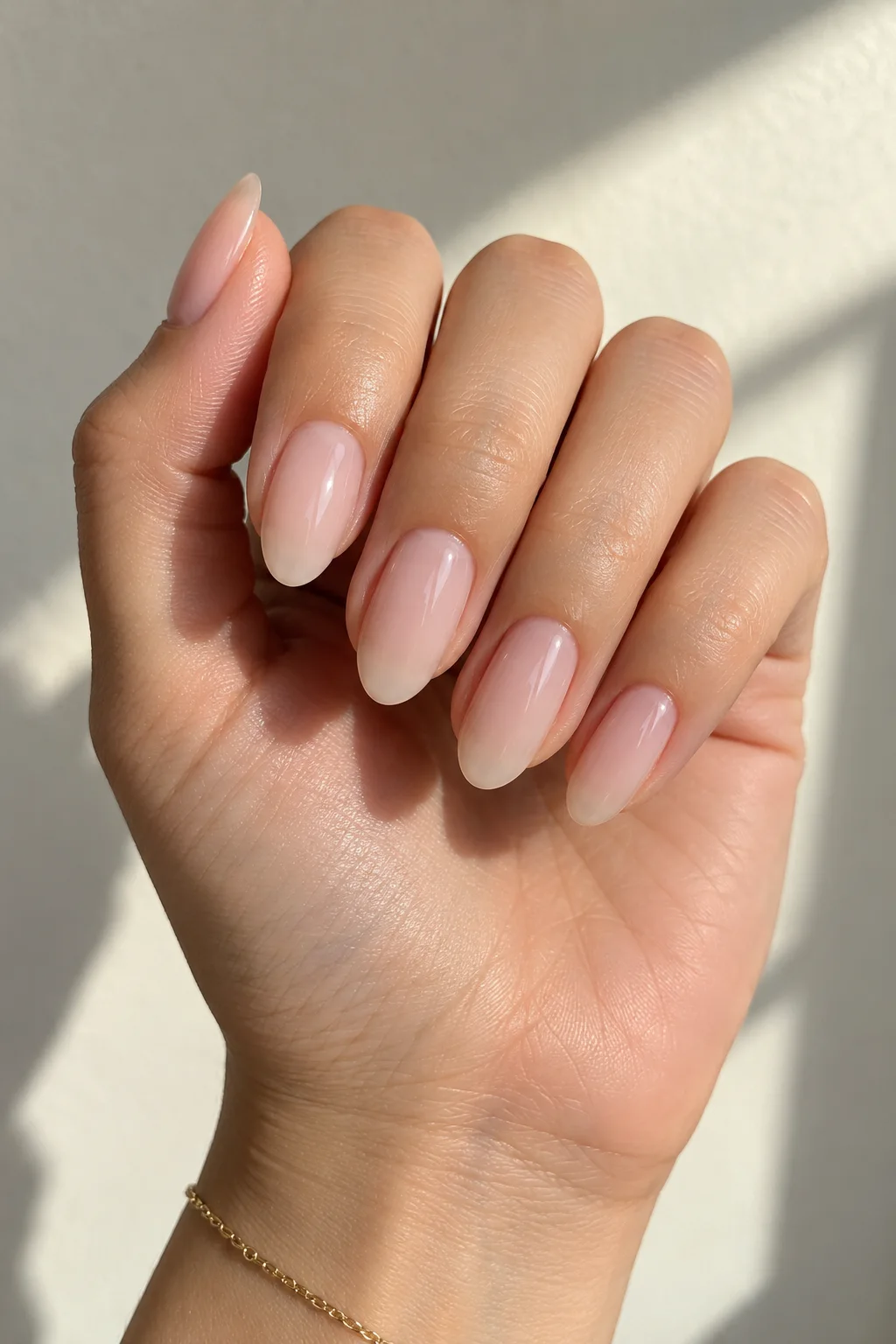
Get this look at homeShop the look
- Almond press-on nailsSee on Amazon ›
- Oval shape press-on nailsSee on Amazon ›
- 180-grit nail filesSee on Amazon ›
- Oxblood deep red polishSee on Amazon ›
- Glossy top coatSee on Amazon ›
As an Amazon Associate I earn from qualifying purchases. These links open Amazon search results, so you can pick the shade and brand you like.
Some photos in this post are AI-created concept images, made to show colors, shapes and nail art together. How we create our images
Related Nail Ideas
- how to pick a nail shape for your hands
- the almond vs squoval test for short fingers
- oval nail ideas for short nail beds
- short almond nail ideas
- ways to try nail colors before your appointment
FAQ
Is almond or oval better for wide nail beds?
Almond narrows the look more because the sidewall taper starts higher, closer to the cuticle. Oval is softer and curves in lower down the nail. Pick almond if you have 4mm or more of free edge, and oval if your nails are short or you break tips often.
Do square nails make wide nail beds look wider?
Yes. Straight square nails have flat sidewalls and a flat tip, so the full width of the bed stays on show. If you want a square look, ask for a tapered squoval instead. Your tech files the sides in slightly and softens the corners, which slims the nail without losing the flat tip.
What nail length works best for wide nail beds?
Aim for 4 to 6mm of free edge for almond, or 2 to 3mm for oval and tapered squoval. Very short nails of 1mm or less will always read wide, no matter the shape. If you can't grow length, go for oval plus a thin bare margin at the sidewalls.
Can a nail tech reshape wide nail beds permanently?
No. The nail bed itself is the skin-attached pink part and it doesn't change with filing. A tech can only shape the free edge and the overhang. The good news is that a high sidewall taper changes how wide the nail looks, which is what you actually notice.
Which nail colors make wide nails look slimmer?
Deep solid shades like oxblood, espresso, navy and true black shrink the surface visually. Vertical art such as a center stripe or a diagonal color block also helps. Avoid thick French tips, wide horizontal bands and bright white, since they cut the nail crosswise and widen it.