

How to Pick a Nail Shape for Your Hands: Simple Guide

In short: To pick a nail shape for your hands, match the shape to your nail bed width, finger length and cuticle curve. Narrow nail beds and short fingers look longer with almond or oval, while wide nail beds and long fingers stay balanced with squoval, square or coffin. The easiest rule: follow the curve of your cuticle, and keep the sidewalls straight so your nail never looks wider than your finger.
Your best nail shape is the one that follows your cuticle line and keeps your sidewalls straight. Look at three things: how wide your nail bed is, how long your fingers are, and whether your cuticle curve is round or flat. Those three answers point you straight to almond, oval, squoval, square or coffin.
The 10-Second Test for Your Nail Shape
Put your hand flat on a table, palm down, fingers relaxed. Look at your ring finger from above. The curve at the base of your nail, right where the cuticle sits, is your guide.
Try it on See it on your own hand Take a photo of your hand and Nartie puts any design from this page on your own nails, so you can choose before you book.

 NartieTry it on your hand
- Round cuticle curve means round tip shapes work: almond, oval, round.
- Flat, straight cuticle line means flat tip shapes work: square, squoval, coffin.
This is the rule most nail techs use before they even pick up a file. Copying the base curve at the tip makes the whole nail look balanced instead of glued on.
Step 1: Measure Your Nail Bed Width
Compare the width of your nail plate to the width of your fingertip. If the nail takes up most of the fingertip, you have a wide nail bed. If there’s a clear strip of skin on both sides, your bed is narrow.
Wide nail beds look best with shapes that stay straight on the sides and don’t taper hard: squoval, soft square, or a gentle coffin. A sharp point on a wide bed makes the nail look stubby and top-heavy.
Narrow nail beds can carry a taper. Almond and oval slim the tip and make the whole finger look longer. You can also go a bit longer without it looking bulky.
Step 2: Check Your Finger Length
Short fingers need vertical lines. Long fingers can handle width. That’s the whole idea.
If your fingers are short or your hands are small, almond and oval add visible length without extra millimeters. A tip that’s 3 to 5 mm past your fingertip is usually enough. Square tips on short fingers cut the line and make hands look wider.
If your fingers are long and slim, square and squoval balance them out. Long fingers with a very pointy stiletto can start to look like claws, which is fine if that’s the goal, but it’s not the flattering choice for everyone.
Step 3: Look at Your Knuckles and Hand Size
Bigger knuckles or wider hands read better with a little length and a soft taper. Almond and long squoval are safe. Very short round nails on a large hand can look like the nails shrank.
Small hands do the opposite. Keep length medium. A super long coffin on a small hand tends to look heavy and gets in the way of typing and buttons.
Nail Shapes and Who They Suit Best
Almond: Best for Short Fingers and Narrow Nail Beds
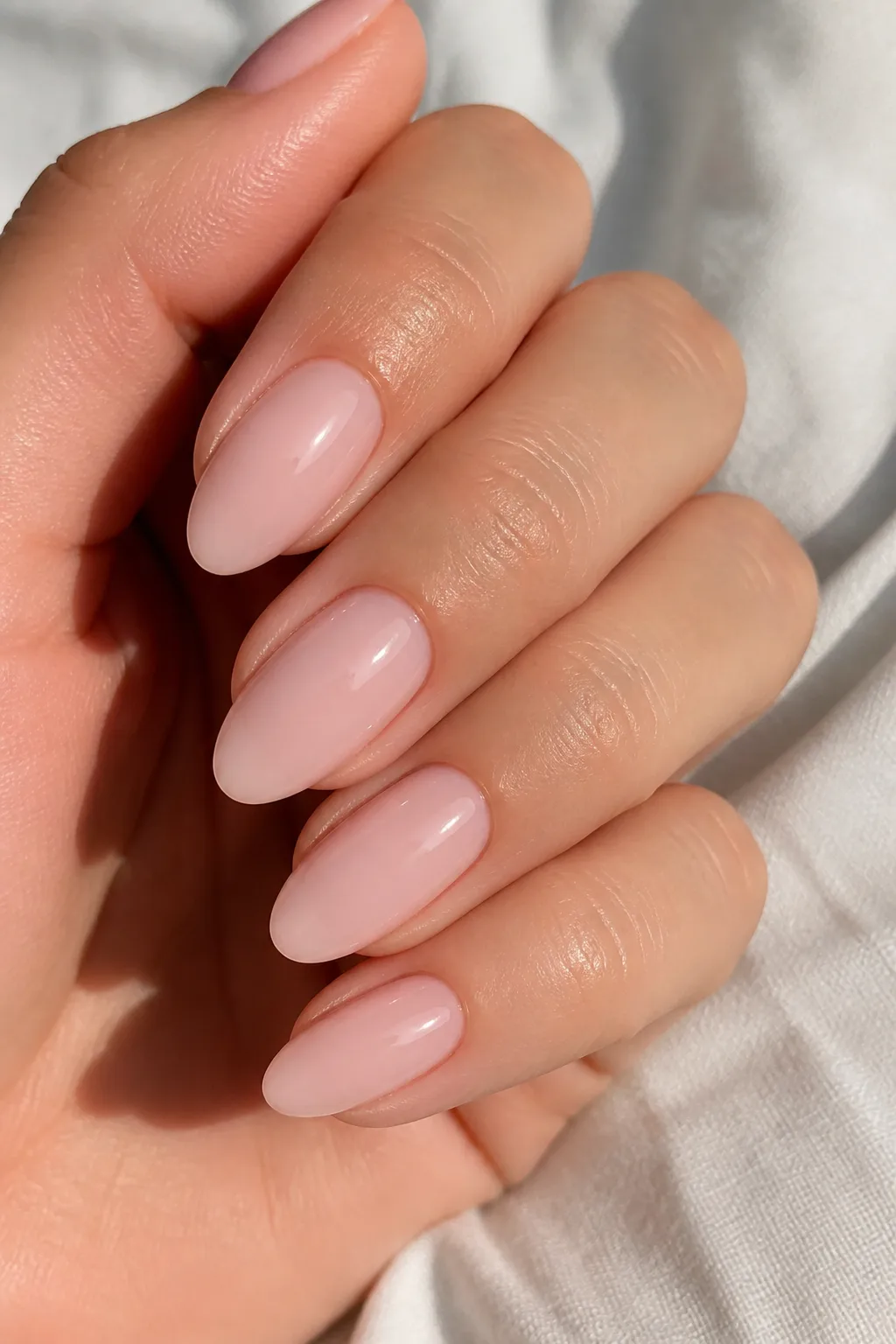
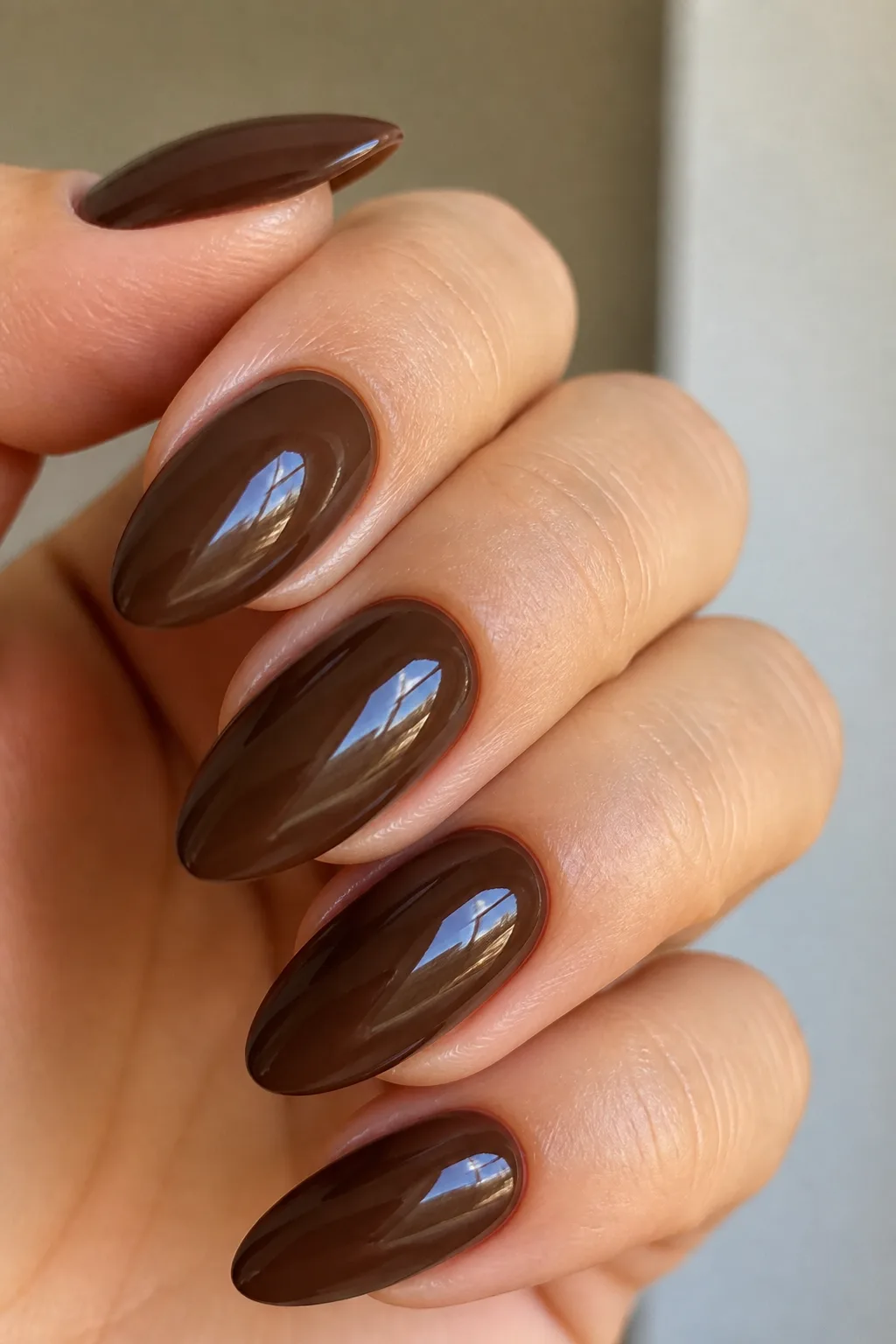
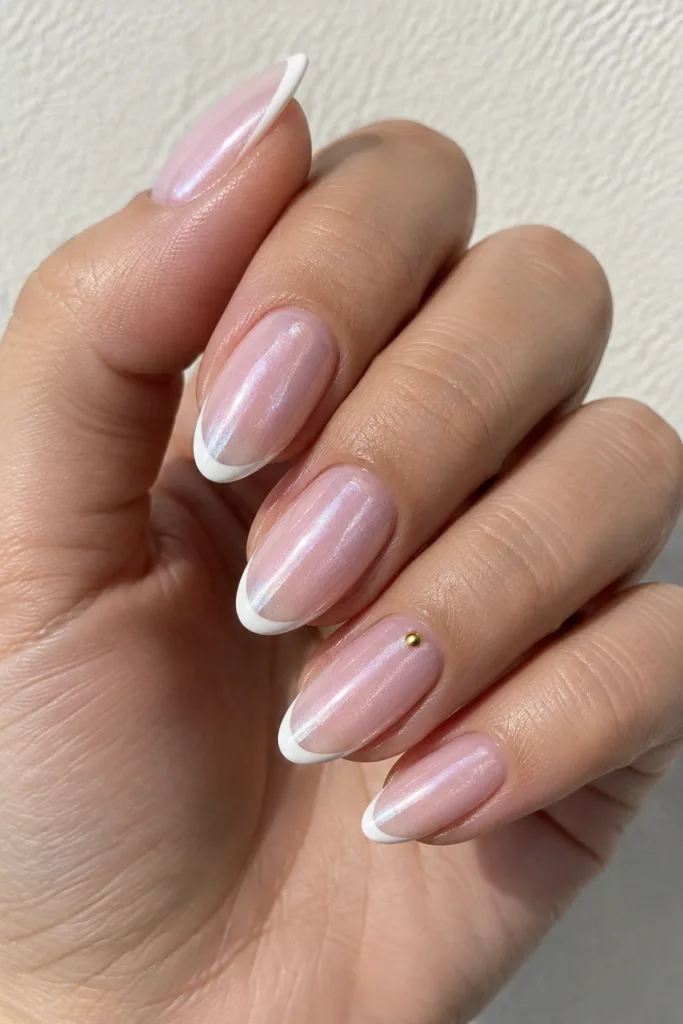
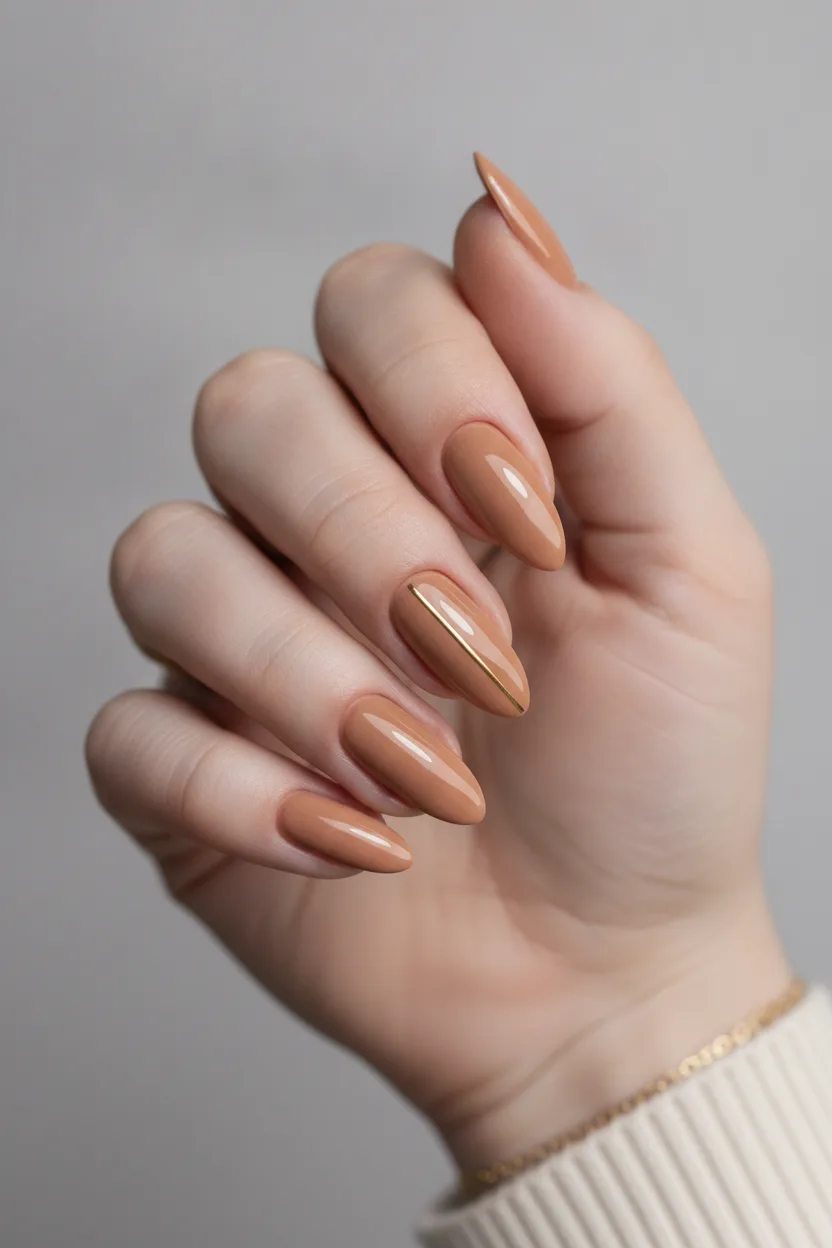
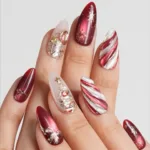
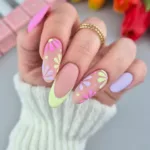
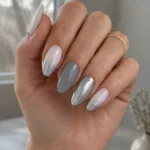
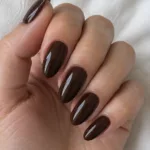
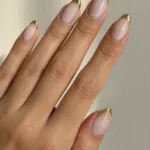
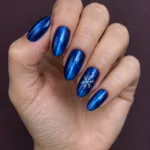
Tapered sides with a soft rounded point. It’s the most flattering shape for the widest range of hands. Almond makes fingers look longer and hides a wide free edge. Needs medium length to work, so you’ll want at least a few millimeters past the fingertip. Great with milky pink, cherry red or chocolate brown polish.
Oval: Best for Natural Nails and Everyday Wear
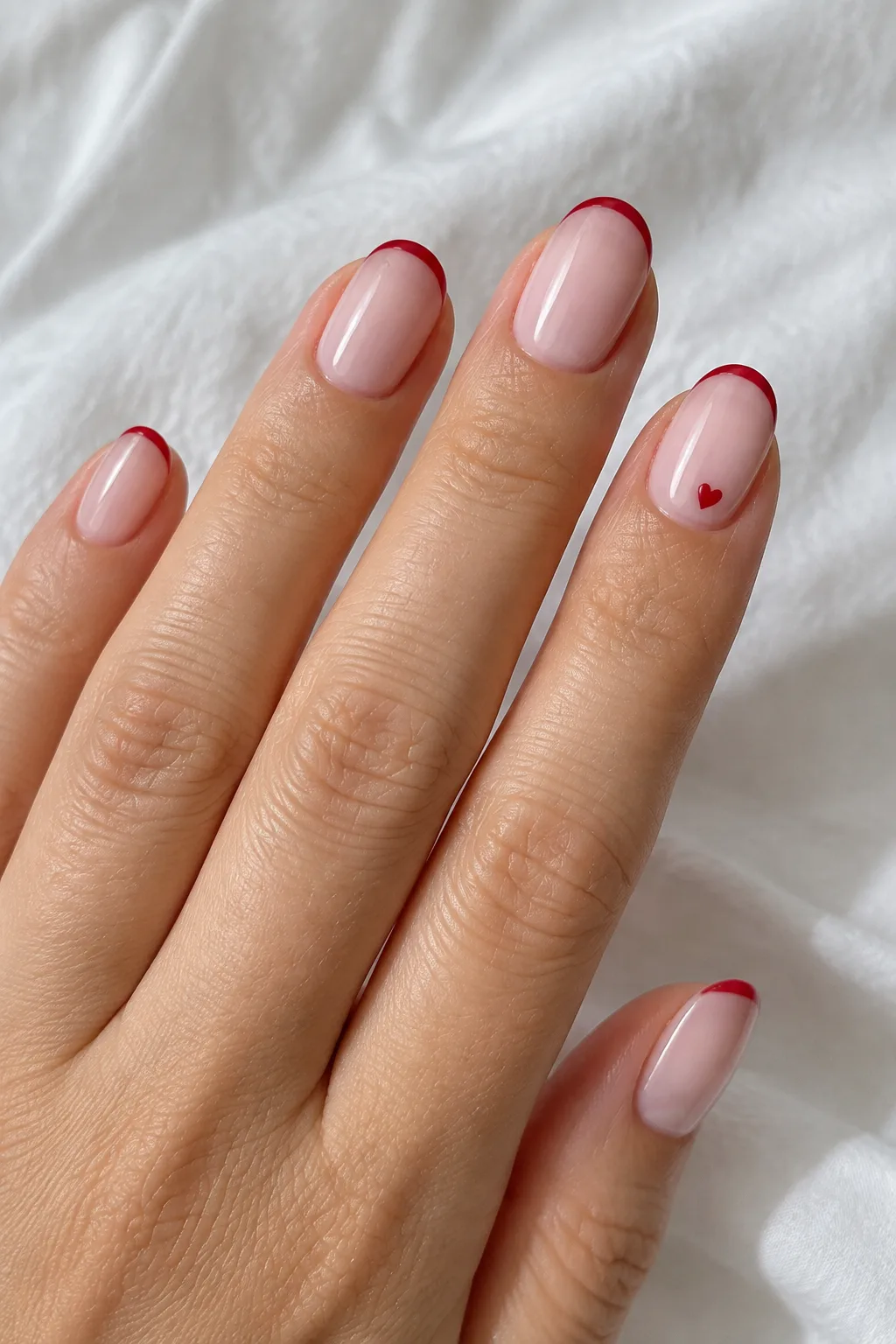
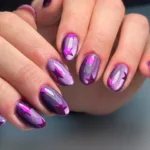
Same idea as almond but with a rounder tip and less taper. Oval is the low-drama option for people who work with their hands. It’s strong at short and medium length and looks clean with any color. If you break tips often, this is your shape.
Squoval: Best for Wide Nail Beds and Long Fingers
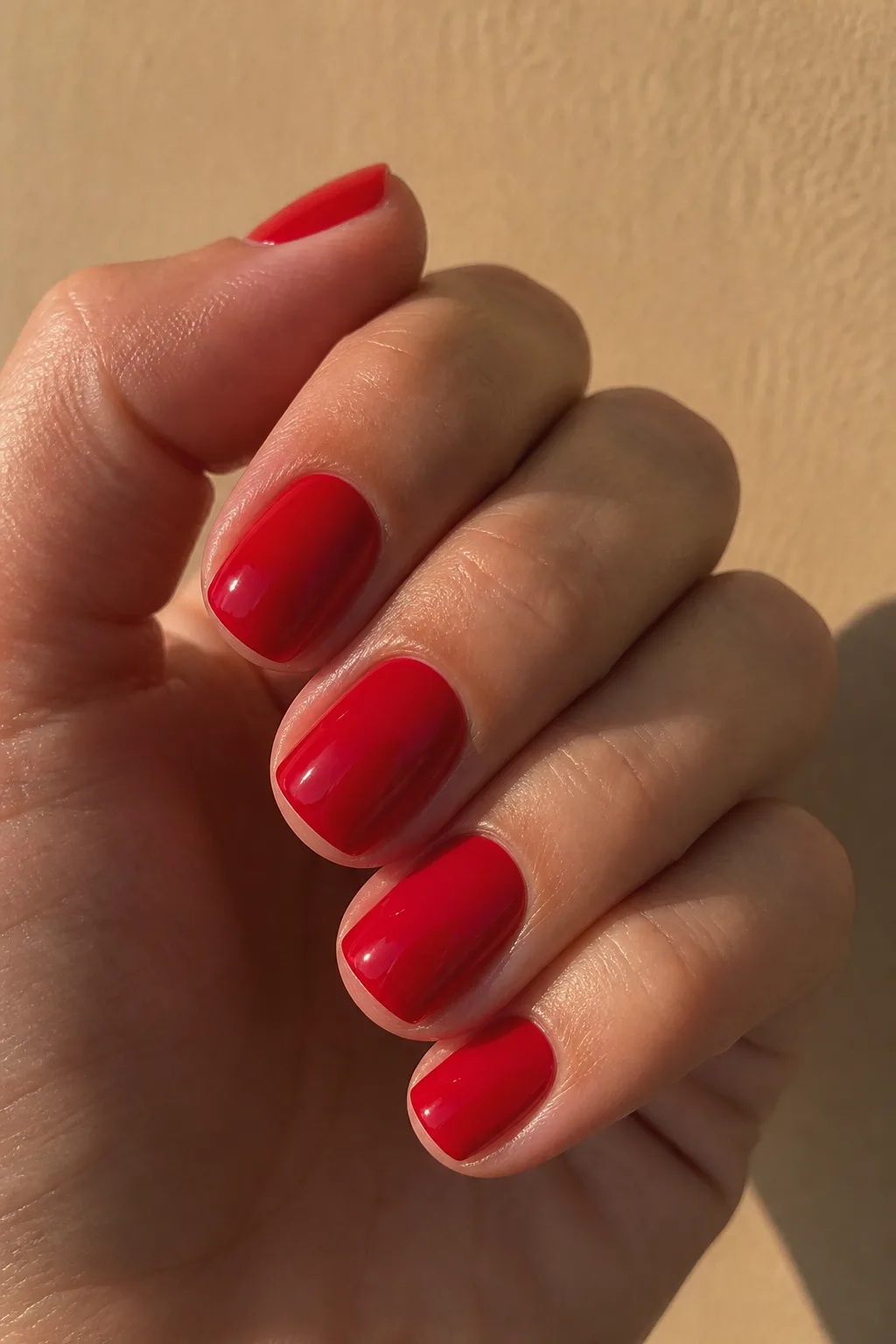
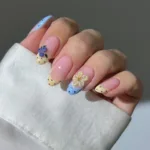
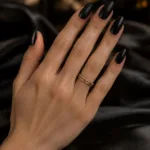
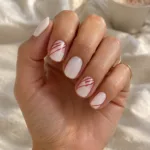
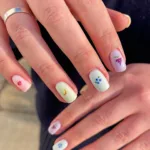
Straight sidewalls with softened corners. Squoval is the shape most nail techs recommend when someone says “I just want them to look neat.” The rounded corners snag less than a true square. It suits short nails better than almost anything else.
Square: Best for Long, Slim Fingers
Flat tip, sharp corners, no taper. Square looks sharp with a French tip and short length. It’s not ideal on wide nail beds because it adds visual width. Corners also catch on hair and fabric, so keep them filed clean.
Coffin (Ballerina): Best for Long Nail Beds and Extensions
Tapered sides with a flat, cut-off tip. Coffin almost always needs an extension, gel or acrylic, because natural nails rarely have the length or strength. It flatters long nail beds and long fingers. On short beds, the taper eats the nail and it looks pinched.
Try it on See it on your own hand Take a photo of your hand and Nartie puts any design from this page on your own nails, so you can choose before you book.NartieTry it on your hand
Round: Best for Very Short Nails and Nail Biters
Follows the fingertip in one smooth curve. Round is the shape that makes a bitten or peeled nail look intentional in a week. It’s the strongest shape for natural nails because there are no corners to catch.
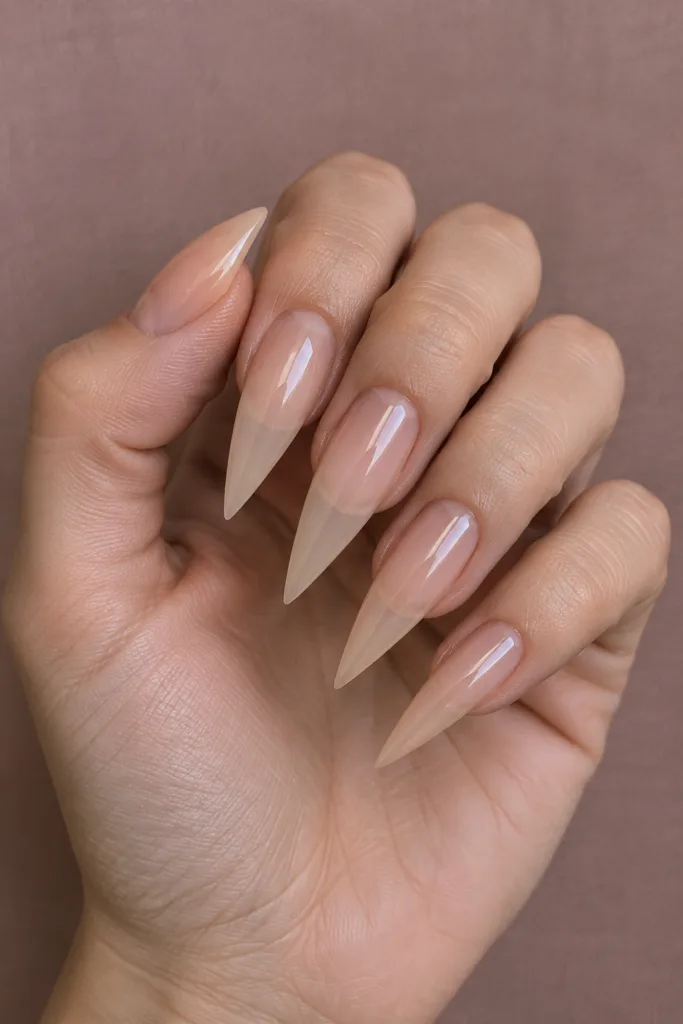
Stiletto: Best for Statement Sets, Not Daily Life
Long and pointed. It looks incredible in photos and it’s genuinely hard to live with. Skip it if you type all day, wear contacts or have kids. Try it for an event, then go back to almond.
How to Preview a Nail Shape Before You Commit
Filing is fast, but growing back is not. Once your tech takes your square nails down into an almond, you’re stuck with that choice for weeks.
Three ways to test drive a shape first:
- Press-ons. Buy a cheap variety pack with several shapes and hold them over your own nails. No glue needed for a 10-second look.
- Virtual try-on. Not sure if coffin suits your fingers? Preview the shape and the color on your own hand with Nartie before you book.
- Go halfway. Ask for squoval first. From squoval you can move to almond or square later without losing length.
What to Ask Your Nail Tech
Be specific, and bring a photo. “Almond” means different things to different people.
- Name the shape and the length in millimeters. “Soft almond, about 5 mm past my fingertip.”
- Ask for straight sidewalls. This is the detail that makes a set look expensive. If the sides curve in, the nail looks narrower than the finger.
- Ask them to file from the side, not the top. Filing from underneath the tip is what keeps the taper even on both sides.
- Check symmetry before the color goes on. Hold your hand up at eye level with fingers together. Any wonky tip shows instantly.
If you’re not sure, say this: “I want my nails to look longer, what shape do you suggest for my nail beds?” A good tech will answer in five seconds.
How to Keep Your Shape Sharp Between Appointments
Shape fades before color does. By week two, tips get uneven and corners round off on their own.
- File in one direction with a 180 grit file. Sawing back and forth splits the free edge.
- File dry. Wet nails are soft and tear. Do it before your shower, not after.
- Fix the sides, not the tip. Most shape loss happens at the sidewalls. Two light passes per side keeps the line clean.
- Oil your cuticles daily. Dry cuticles make even a perfect shape look messy in photos.
- Book a fill every 2 to 3 weeks for extensions. Past that, the regrowth changes the apex and the shape starts to look off.
Quick Match Chart
- Short fingers, narrow beds: almond or oval, medium length.
- Short fingers, wide beds: soft squoval, short length, vertical nail art.
- Long fingers, narrow beds: almond, coffin or stiletto.
- Long fingers, wide beds: square or squoval, any length.
- Bitten or peeling nails: round, kept very short until they grow out.
- Hands-on job: short squoval or oval, gel top coat.
One last thing. Skin tone doesn’t change your shape, but it does change which polish makes the shape pop. A cool almond in deep red reads sharper than the same nail in a washed-out beige. Pick the shape first, then the color.
Get this look at homeShop the look
- Press-on nail variety packSee on Amazon ›
- 180 grit nail fileSee on Amazon ›
- Cuticle oil penSee on Amazon ›
- Milky pink polishSee on Amazon ›
- Deep cherry red polishSee on Amazon ›
As an Amazon Associate I earn from qualifying purchases. These links open Amazon search results, so you can pick the shade and brand you like.
Some photos in this post are AI-created concept images, made to show colors, shapes and nail art together. How we create our images
Related Nail Ideas
- almond nail designs to bookmark
- coffin nail ideas for longer nail beds
- short square nail looks
- how to choose a nail color for your skin tone
- french tip designs that suit any shape
FAQ
What nail shape makes fingers look longer?
Almond is the best shape for making fingers look longer. The tapered sides pull the eye toward the tip and create a vertical line. Oval does the same thing with a softer point and works better on natural nails. Keep the sidewalls straight so the nail never looks wider than your finger.
What is the best nail shape for wide nail beds?
Squoval and soft square suit wide nail beds best. Straight sidewalls keep the nail looking neat instead of stubby. Avoid sharp tapers like stiletto, because pinching the tip on a wide bed makes the nail look short. A gentle coffin can work if you have some length to play with.
Which nail shape is strongest for natural nails?
Round and oval are the strongest shapes because there are no corners to catch or snap. Squoval comes close if you keep the corners softened. Square is the weakest at longer lengths since the sharp corners take all the impact. Short length always beats long for strength.
How do I know if almond or coffin suits me better?
Look at the length of your nail bed, not your nail. Long nail beds carry coffin well because the taper still leaves a wide flat tip. Short nail beds look pinched in coffin, so almond is the safer pick. If you're between the two, try a virtual try-on or press-ons before you commit.
Can I change my nail shape at every appointment?
You can, but you'll lose length each time. Going from square to almond means filing the corners off, which shortens the nail. Moving from almond to square is harder because you need to grow the sides back out. Squoval is the easiest middle ground to start from.

Pingback: Best Nail Shape for Short Fingers (Almond vs Squoval)
Pingback: Milky White Nail Designs for Late Summer Skin | Gleamy Nails
Pingback: How Long Do Gel Nails Last? Real Wear Times Compared
Pingback: How to Choose Nail Color for Your Skin Tone
Pingback: 18 Stiletto Nail Designs: Nude to Blood Red Chrome
Pingback: Gel vs Acrylic Nails: The Real Difference Explained
Pingback: 16 Hoco Nails Ideas Sorted by Dress Color
Pingback: How Long Do Acrylic Nails Last? Wear Time and Fills
Pingback: 14 Oval Nails for Short Nail Beds That Look Longer